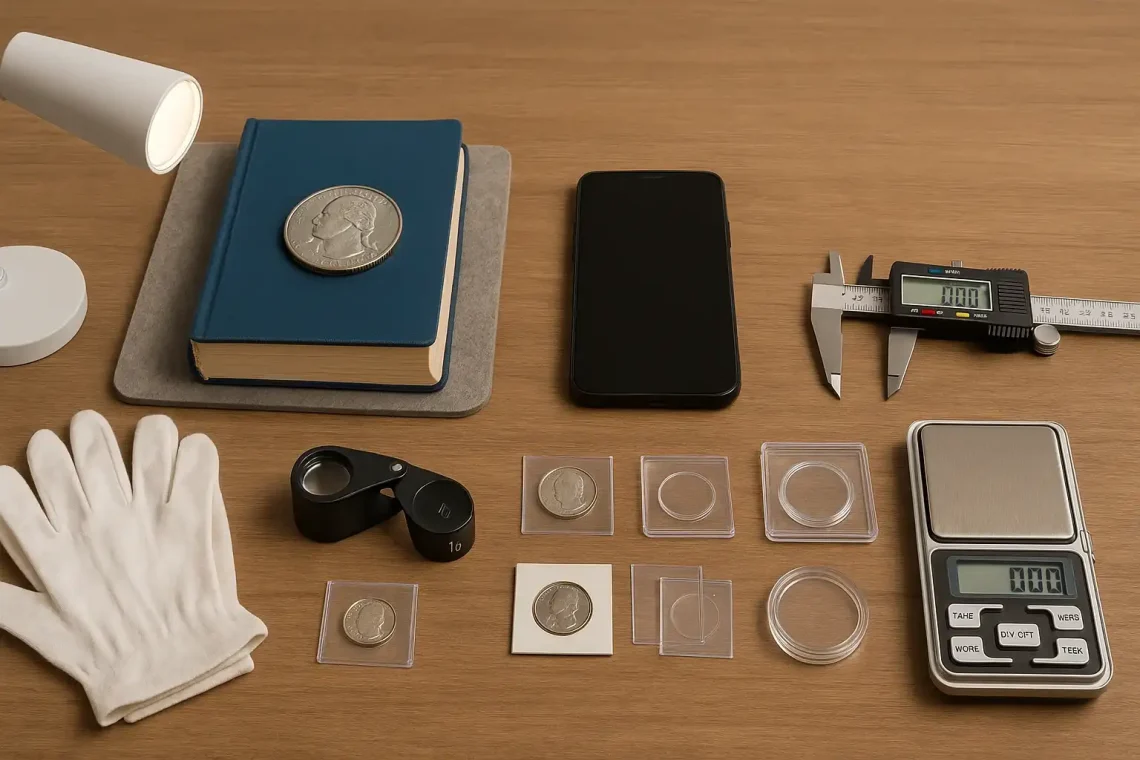
Many new collectors start with enthusiasm but feel lost when choosing equipment. A simple, clear toolset removes confusion. It keeps the work organized and prevents mistakes that damage coins or lead to incorrect assumptions about their condition.
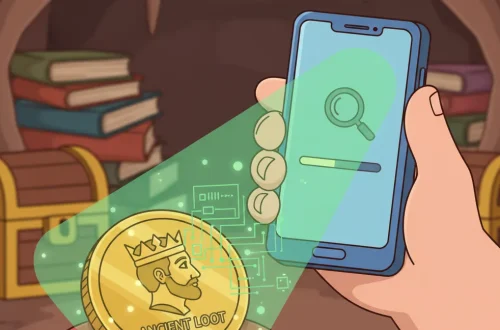
Most people now use a coin scanner app as their first step because it speeds up the basic classification process. It helps beginners build structure, but physical tools still do most of the real work.
Here we would like to discuss what you actually need, why each item matters, and how these tools work together during everyday collecting.
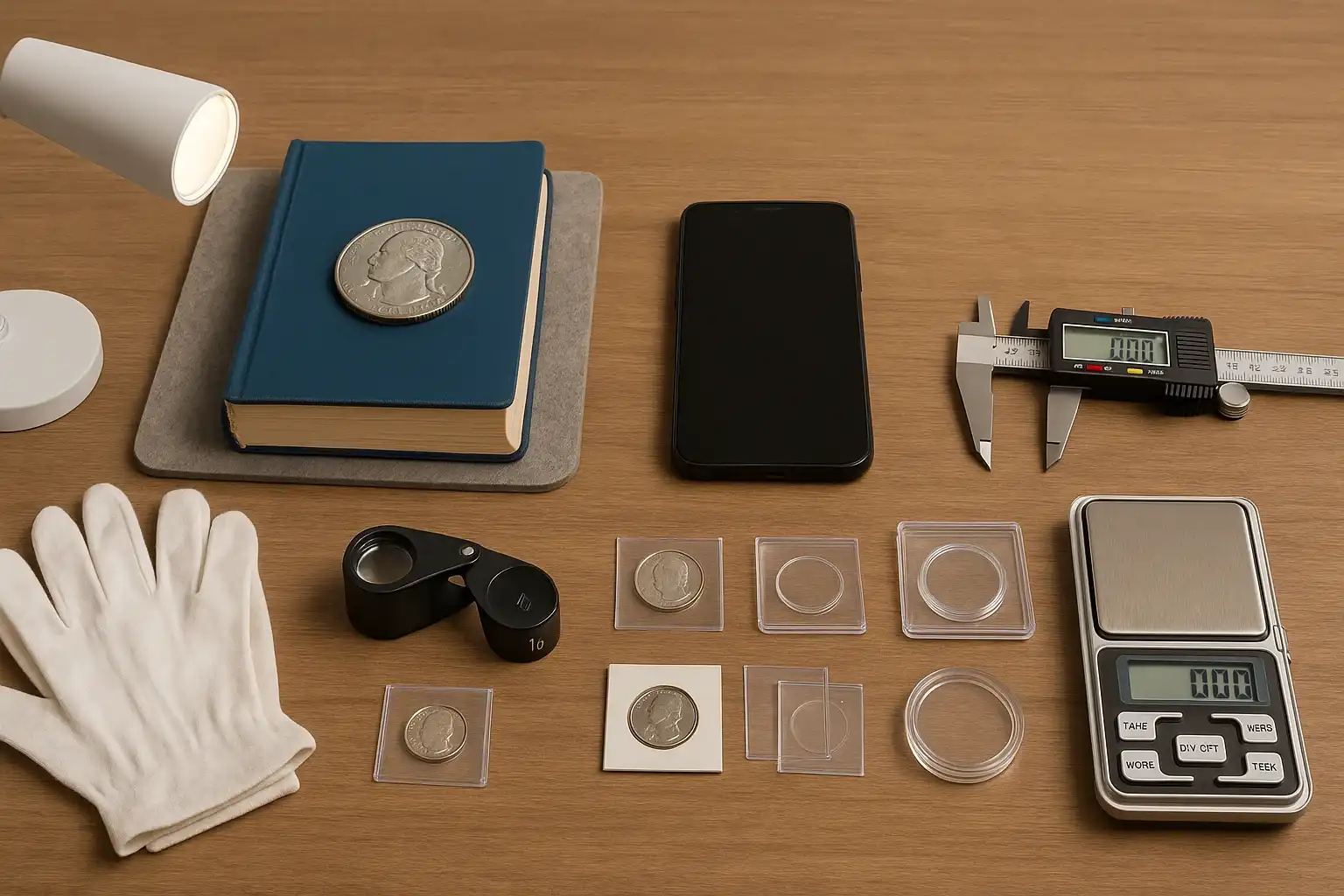
Soft Lighting: The Foundation of Accurate Inspection
A stable light source is the most useful tool for beginners. Coins change under different angles and brightness levels. Shadows hide small details. Strong beams create glare that blocks relief. A soft desk lamp with an adjustable neck solves this problem. Many beginners start with simple models like the IKEA Jansjö or any basic LED desk lamp with a flexible arm.
A beginner needs lighting that shows the surface and the edge without distortion. Diffused light from the side reveals texture, planchet defects, and strike quality. It also helps you see hairlines that appear after cleaning. When you tilt the coin, the light shows metal flow, doubling, and weak areas.
Warm tones highlight copper coins, and cooler tones help reveal contrasts on silver and nickel pieces. A lamp that supports both temperatures is ideal.
Lighting is a simple tool, yet it improves accuracy more than any other device in a beginner’s kit. Without proper light, every other step becomes uncertain.
A Basic Magnifier: Clear, Honest Detail Without Overcomplication
A hand lens reveals details you cannot see with the naked eye. It helps identify wear, mintmarks, small chips, die cracks, rim defects, and relief issues. For beginners, the best magnifier is a simple 5× – 10× lens. Anything stronger creates distortion and encourages over-analysis.
Common options include economical 10× folding loupes or entry-level models like the BelOMO 10× triplet, which shows a sharp, wide field without optical distortion.
A good lens has a wide field. It shows the whole date or the entire mintmark area at once. It prevents guessing and reduces eye strain. It also helps beginners understand which details matter and which do not.
Some lenses include LED lights. They help under dim conditions, but natural or diffused desk lighting is usually enough.
Use the lens with slow movements. Hold the coin steady. Let the relief come into view. A beginner learns faster when the lens shows natural surfaces instead of exaggerated textures.
Non-Contact Storage: Holders, Flips, and Capsules
Coins must stay safe. Scratches happen easily. Skin oils cause stains, especially on copper. A simple rule helps: the less contact, the better the condition remains.
Holders protect coins from accidental drops and friction. Flips help with temporary sorting. Capsules work for long-term storage. Each option has a purpose.
Popular beginner choices include Guardhouse 2×2 cardboard holders, PVC-free flips like Saflip, and airtight capsules by Air-Tite.
- Flips allow fast labeling and rearranging.
- 2×2 cardboard holders create a clean grid for beginners who want visual order.
- Capsules lock out dust and moisture. They work best for silver and proof coins.
Always label each piece with date, mintmark, and a short note. This builds a habit of documentation. It also prevents mixing similar types, especially when dealing with multiple series.
Good storage also teaches discipline. Beginners who store coins carefully learn to observe condition changes and recognize environmental damage earlier.
Weighing and Measuring Tools: A Simple Reality Check
A small digital scale and a plastic caliper are essential. Together, they tell you more than many beginners expect. Weight reveals wrong planchets, counterfeits, and environmental wear. Diameter shows clipping, swelling, or striking issues.
Many collectors use affordable jewelry scales with 0.01-gram resolution and inexpensive 150-mm plastic calipers for routine checks.
You do not need laboratory accuracy. A scale with 0.01-gram resolution works well. A beginner learns how each denomination should feel. Measurements confirm that feeling.
When you handle world coins, weight and diameter prevent mistakes caused by similar designs. Many modern coins share shapes and profiles. A quick check removes doubt before you move to a more advanced inspection.
For example, a Roosevelt dime struck on a cent planchet shows a clear weight mismatch; the same logic applies to foreign coins with near-identical profiles.
These tools help beginners trust their judgment. They provide a baseline that stays consistent even when relief is weak.
Gloves and Handling Habits: Protecting the Surface
Coins react to skin oils. Fingerprints create permanent stains. A simple pair of cotton or nitrile gloves prevents this.
Nitrile gloves, such as basic laboratory-grade models, offer better grip. Cotton gloves work, but sometimes catch on edges.
Handling rules are simple:
- Hold coins by the edge.
- Avoid touching the fields.
- Keep the workspace clean.
These habits protect the value of every piece. They also establish discipline for future work with proofs, silver, or rare varieties. Condition matters, and handling is the easiest part of the hobby to control.
A Reliable Reference Book: Stable Information Without Guessing
Printed guides answer many questions that scans cannot. They list mintages, design changes, metal shifts, varieties, and denominational context. Books do not depend on lighting or camera quality. They provide stable information that matches real numismatic standards.
A beginner benefits from an annual price guide or a series-specific reference. Widely used examples include the “Red Book” for U.S. coins and Krause’s “Standard Catalog of World Coins” for international series.
These books also teach normal design features. This prevents confusion with damage or natural wear. Many beginners misinterpret scratches as errors. A solid reference reduces such mistakes.
Books also offer context. They show why some dates are common, and others are scarce. They explain which series have frequent varieties and which do not. This helps you focus your energy on realistic goals.
A Digital Tool: Practical Use of an Identification App
As a beginner, you can also rely on identification apps to organise your first sets. A scan helps classify common coins quickly. It also creates a structured record that grows naturally with the collection.
The best coin identifier app for iPhone or Android helps when you handle mixed lots or inherited boxes. The camera on the device gives sharp images and stable focus. A clear photo reveals contours that the model uses to match type, metal, and date range.
Of course, a scan does not replace visual inspection, but it removes guesswork from basic sorting. But it speeds up the early steps. One or two photos create a card with metal, weight, diameter, country, and years of minting.
To be sure that technology can help, try the Coin ID Scanner app yourself. It identifies world coins from photos and creates detailed coin cards with metal, edge type, weight, diameter, country, and years of minting. The database includes more than 187,000 coins. And in case of any questions, you can refer to the built-in AI helper.
Digital tools help you stay organized and avoid duplicates. They also support metal checks and mintmark placement learning because you observe the coin more carefully while preparing the scan.
A Clean Working Surface: Order Improves Accuracy
A basic tray or soft cloth creates a neutral background. It prevents scratches and keeps coins from rolling. A beginner needs a clear workspace so the eyes focus on relief instead of clutter.
Common choices include velvet pads, black microfiber cloths, or plastic sorting trays with small compartments.
A clean surface also makes photography easier. Scans and catalog photos come out sharper. This supports consistent documentation and improves digital identification accuracy.
Choose a surface with mild contrast. Dark cloth works well for silver. Light cloth works well for copper. Avoid patterns because they distract your vision and confuse recognition models.
How the Toolset Works as a Whole
Each item solves a specific problem. Together, they form a complete workflow.
- Light shows the surface.
- A lens confirms details.
- Storage protects the condition.
- Measuring tools verify type.
- Gloves keep fields clean.
- Books give a stable reference.
- Apps create structure and help identify common types.
- Notes track your progress.
- A clean table keeps everything organized.
Beginners who follow this structure avoid early frustration. The process becomes routine. Accuracy improves. Confidence grows.
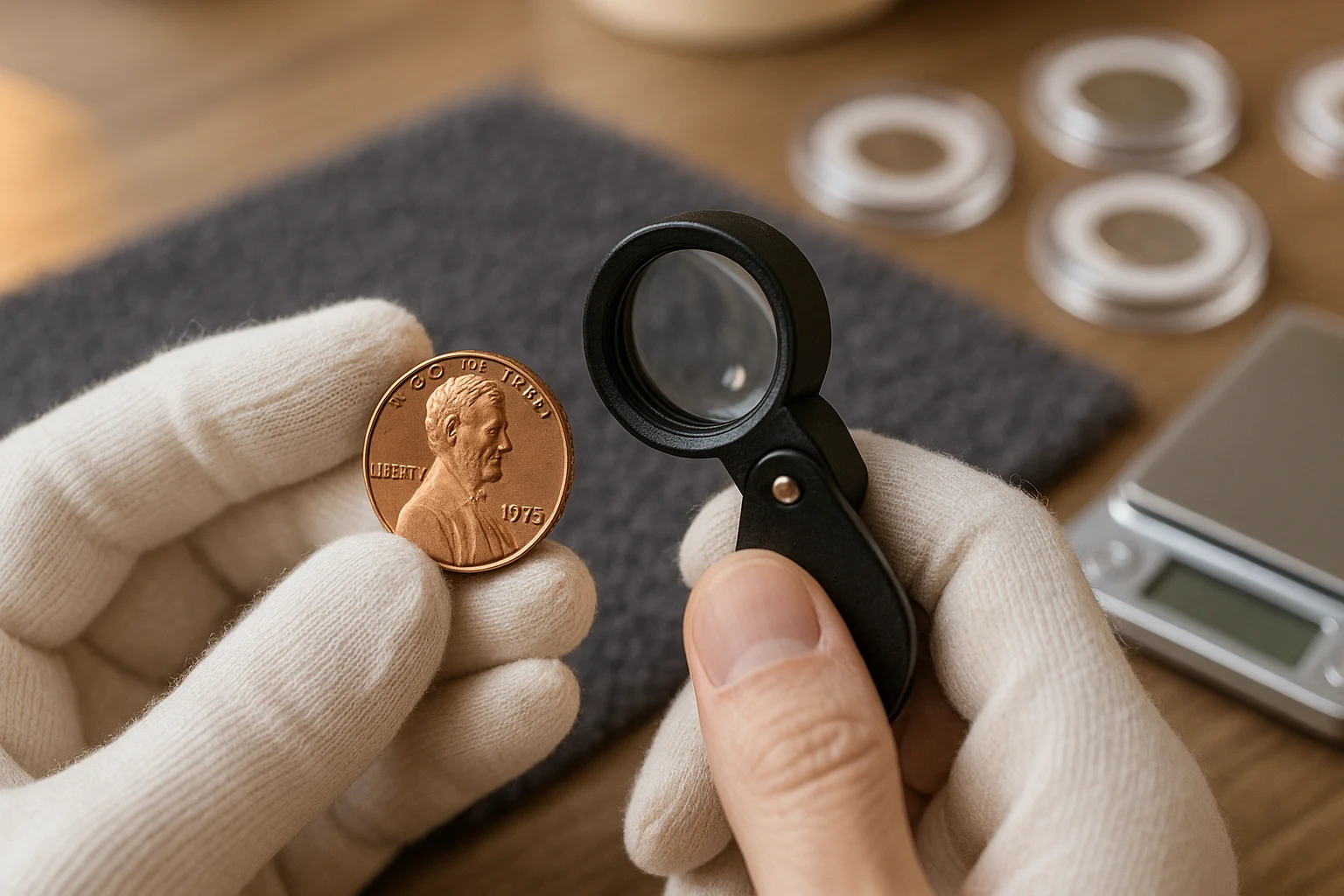
Practical Scenarios for New Collectors
Sorting a small inherited jar
Light reveals the condition. A lens shows mintmarks. A quick scan creates basic categories. You divide pieces into types, then store them in flips. Notes record anything unusual.
A simple example: a jar often includes worn nickels, state quarters, and Lincoln cents. A notebook helps track which pieces require rechecking.
Building a simple U.S. set
A loupe identifies wear. A scale checks the weight of older pieces. A book confirms design changes. An app helps you avoid duplicates and keeps your progress clear.
Beginners often start with Jefferson nickels or Lincoln cents because they show wear patterns clearly.
Working with mixed world coins
A scan gives fast classification. Weight and diameter confirm matches. Light reveals weak relief. Storage keeps different metals separate.
Mixed lots often contain repeated designs from Europe or Asia, and a digital tool removes early confusion.
Final Thoughts
A beginner does not need complex equipment. Most progress comes from soft light, a clear lens, careful storage, basic measurement, and a reliable app. This small toolset keeps the process steady and prevents avoidable mistakes.
Digital tools add structure. A coin scanner app for Android or iPhone keeps records clean and reduces confusion in large groups of coins. Classification becomes faster, and manual inspection becomes easier because you focus on the right details.
Strong habits built early remain useful for years. Simple tools guide your eyes, protect your coins, and help you understand how each piece fits into your growing collection.